




-
1Considers both the energy savings promoted in the reuse of third-party materials and their contribution by providing waste for third parties to reuse as materials based on formal agreements; reused mWh / total mWh
Circular economy
Esenttia has evolved its own Circular Economy model to fully align with the SosTECnibilidad Strategy of the Ecopetrol Group. This systemic approach optimizes resources, minimizes environmental impacts, and generates shared value through three strategic fronts: circular operations, circular businesses, and productive chains, supported by enablers such as governance, green financing, and STI.
Our strategy consists of 3 pillars:
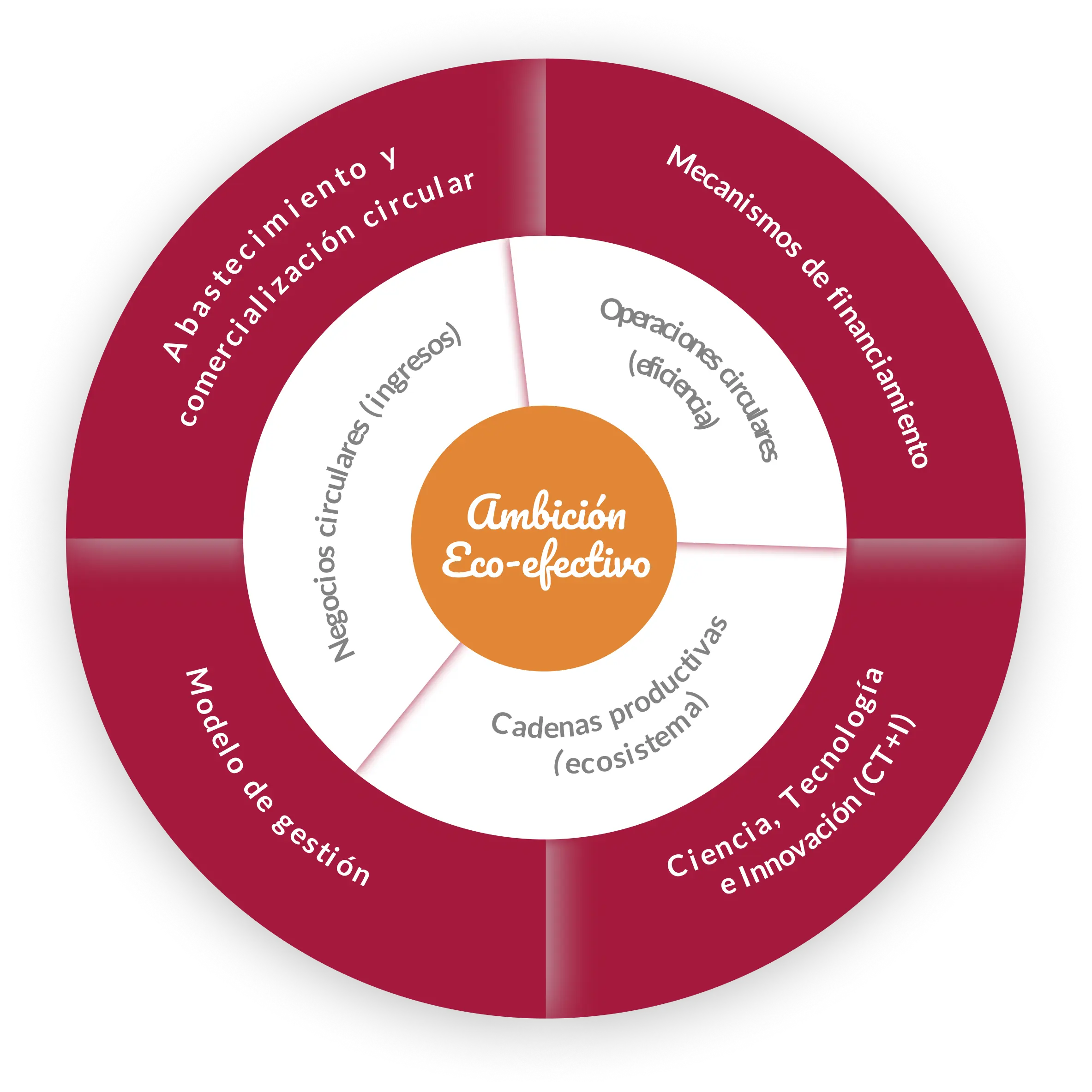
Ambition
To be on par with circularity leaders in the energy sector with an eco-effective maturity level (level 3) by 2040 to achieve positive contributions to nature.
Strategic fronts
Structured initiatives in 3 fronts:
- Circular operations (efficiency): Reduce the resources, materials, and inputs used and enhance the recirculation of generated output streams.
- Circular businesses (revenue): Generate new revenue streams through circular products and services.
- Productive chains (ecosystem): Boost the circularity agenda in Colombia through greater collaboration and integration with internal and external actors, including initiatives with communities in the territories (e.g., energy communities).
Enablers
- Financing mechanisms: Establish funding sources for circular initiatives.
- Management model: Define the governance scheme and roles, and assign responsibilities that enable circularity.
- Circular sourcing and commercialization: Ensure utilization strategies with suppliers, customers, and managers to strengthen circular businesses and make circularity models visible.
- Science, technology, and innovation (STI): Develop, appropriate, and adapt cutting-edge knowledge and solutions to accelerate, make visible, and implement initiatives.

Culture is a cross-cutting element of the circular economy model that must be worked on throughout the organization to ensure the adoption of circularity as a priority issue
PlastiTON: Transforming the value chain through circular economy
PlastiTON is Esenttia's (Ecopetrol Group) model that transforms habits and value chains through education, innovation, and collaboration. Since 2018, it integrates more than 100 allies including companies, academia, and communities in a practical mechanism to demonstrate that circular economy is achievable when the capacities of all ecosystem actors are strengthened.
This model not only promotes proper waste classification but also dignifies the work of waste pickers, integrating them as essential pieces for real and sustainable utilization.

Show the benefits of utilizing post-consumer plastic

Increase recycling rates in the city

Strengthen recycling pedagogy by helping everyone become responsible consumers.
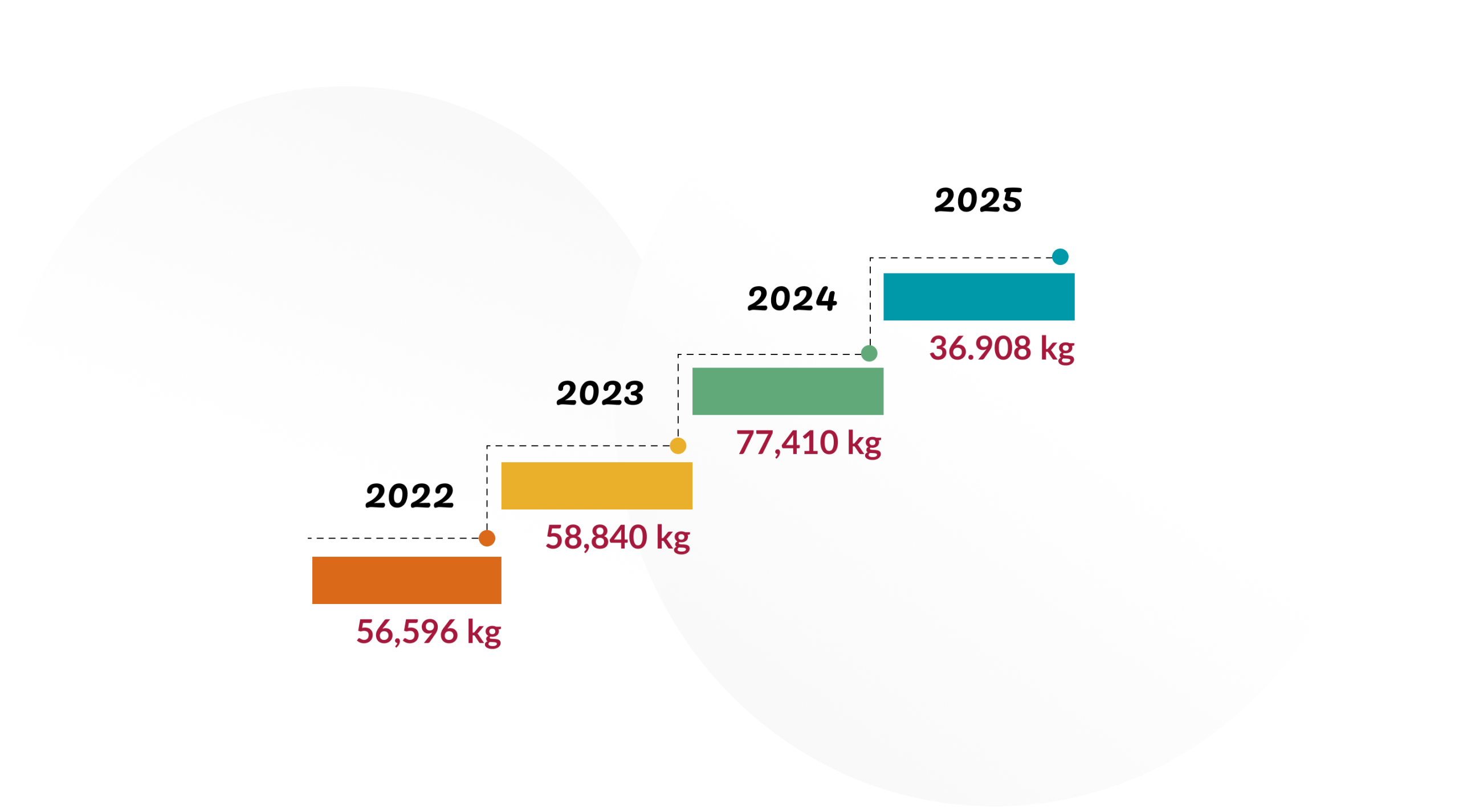
PlastiTON Allies
25

Esenttia In-House Contractors
+2,500 workers
9

Educational institutions
+15,800 students
5

Residential units
+11,700 residents
7

Other companies
+5,000 employees

7
ECA'S que abarcan
+331 recicladores de oficio

Culture, co-responsibility, and future
The success of PlastiTON confirms that plastic is not waste, but a valuable resource capable of generating economic opportunities under the premise: “Plastic is not discarded, it is transformed.”
As a scalable model, PlastiTON transcends operational management to consolidate itself as a pillar in the transition towards sustainability. Its scope confirms that co-responsibility and multi-sector coordination are the definitive engine for the evolution of the plastic industry in the country.